Published by Sokla.eu | Diabetic Foot Care Guide
If you live with diabetes, you've probably heard that compression socks are great for tired, achy legs — but you may have also heard warnings that they're dangerous for diabetics. So which is it? The honest answer is: it depends. Compression socks can help some people with diabetes, but they can also cause serious harm if worn by the wrong person, or the wrong way. In this guide, we'll break down exactly when compression socks are safe, when they're risky, and what alternatives are actually built for diabetic feet.
Why This Question Matters So Much for Diabetics
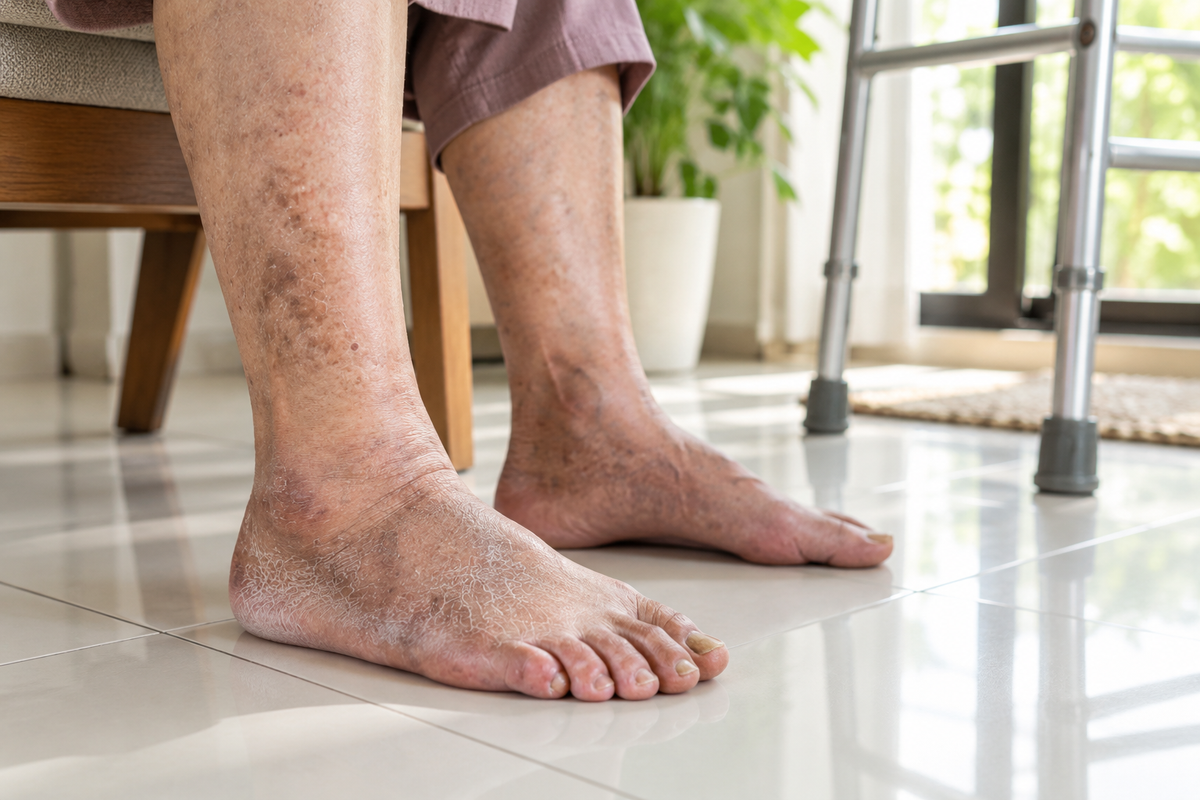
Diabetes often affects the feet in two important ways: it can damage the nerves (a condition called peripheral neuropathy) and it can reduce blood flow to the extremities (peripheral artery disease, or PAD). Together, these two complications mean that many diabetics can't always feel pain, pressure, or numbness in their feet the way a healthy person would. A small blister or pressure sore can go unnoticed for days, and unnoticed foot injuries are one of the leading causes of diabetic foot complications, including infections and, in severe cases, amputation.
This is exactly why sock choice isn't a trivial decision for someone with diabetes. The wrong sock — including a poorly fitted compression sock — can quietly cut off circulation or rub against skin without you realizing it until the damage is done.
So, Can Diabetics Wear Compression Socks?

In many cases, yes — but only under the right conditions. Standard medical-grade compression socks (typically starting around 15-20 mmHg and going higher) are sometimes prescribed by doctors to diabetics who have healthy circulation but struggle with swelling, varicose veins, or the early stages of venous insufficiency. The compression helps push blood back up toward the heart and can reduce swelling in the ankles and lower legs.
However, compression socks become genuinely risky for diabetics who have:
- Peripheral artery disease (PAD) — reduced blood flow means compression can restrict circulation even further
- Advanced peripheral neuropathy — numbness means you may not feel if a sock is too tight or cutting off circulation
- Open wounds, ulcers, or active infections on the feet or legs
- Poor healing skin or a history of foot ulcers
For anyone in these higher-risk categories, doctors generally recommend avoiding high-compression socks entirely, or using only mild compression under close medical supervision. The golden rule is simple: never start wearing compression socks without talking to your doctor or podiatrist first, especially if you already have diabetes-related circulation or nerve issues.
What Doctors Usually Recommend Instead: Diabetic Socks
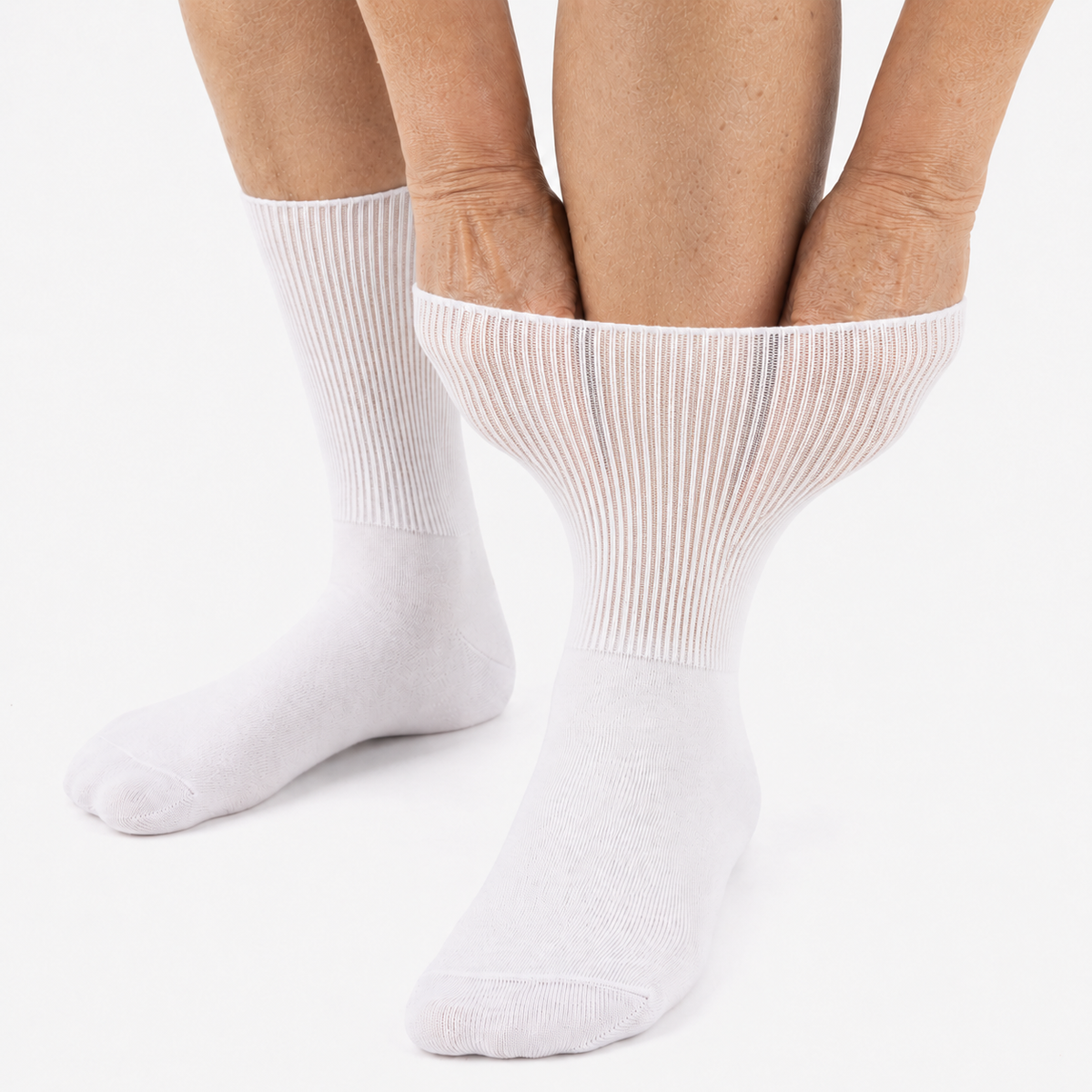
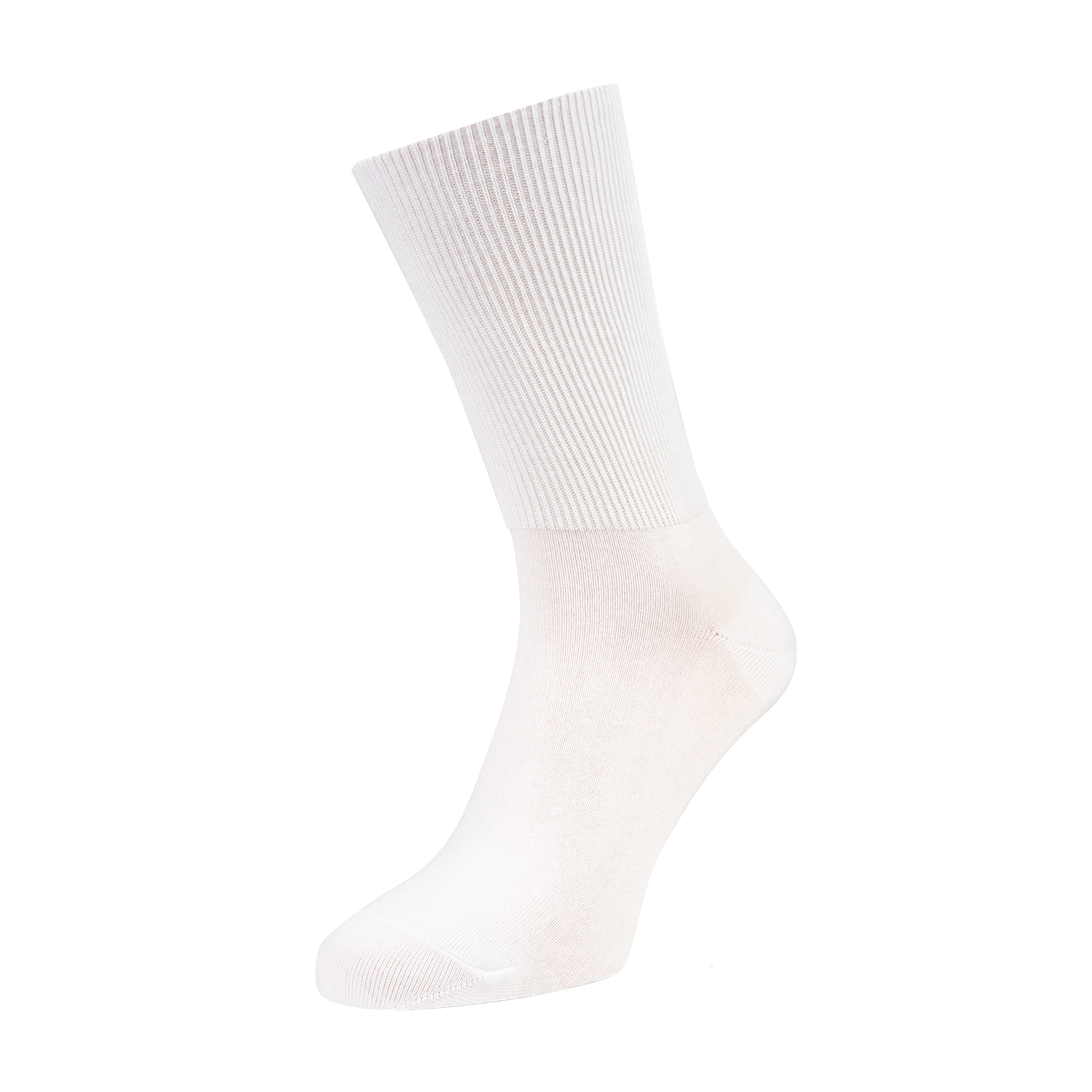
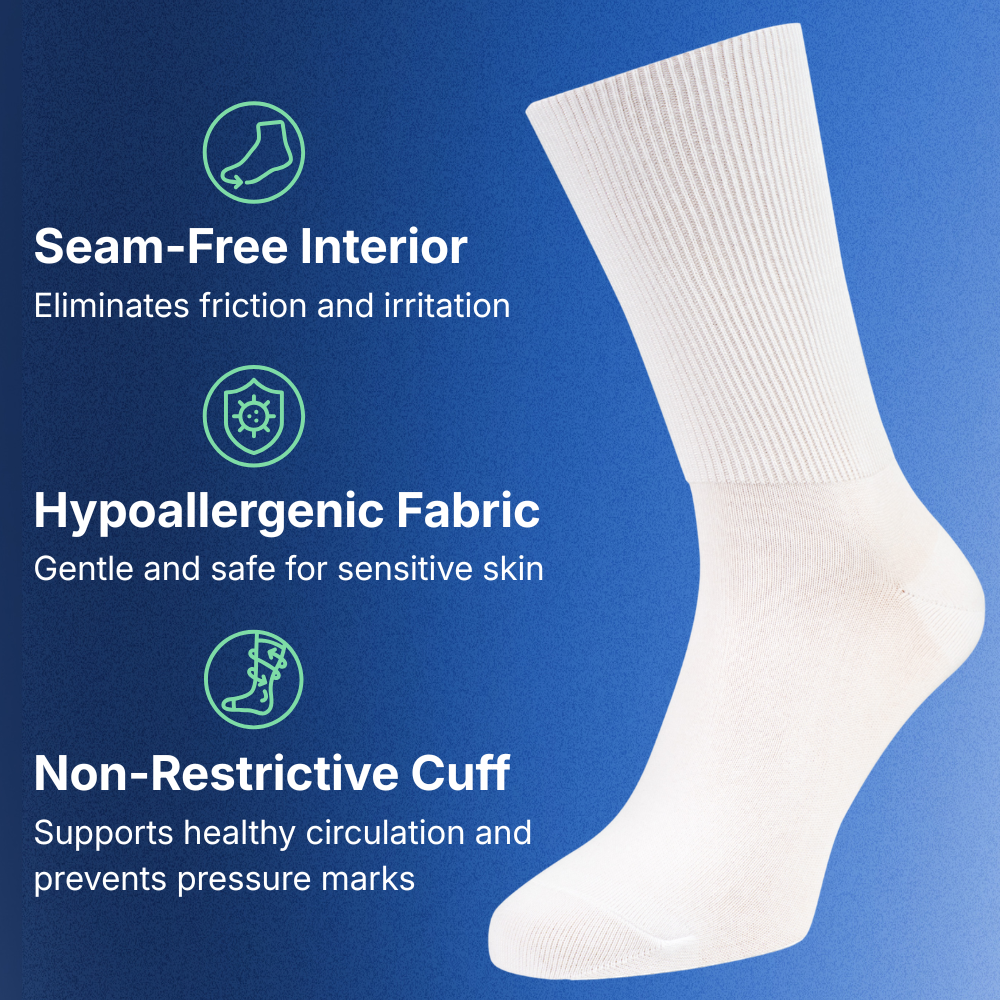
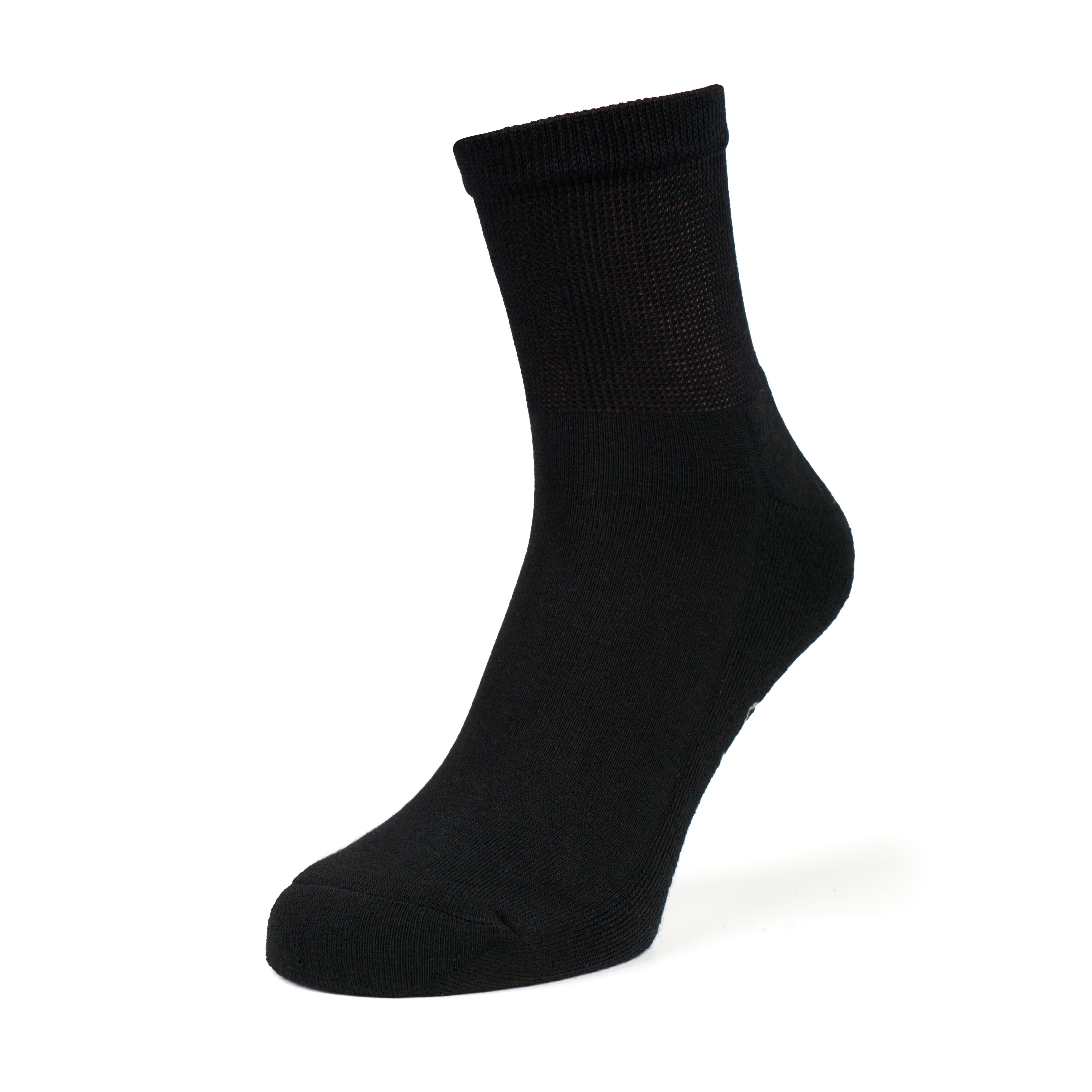
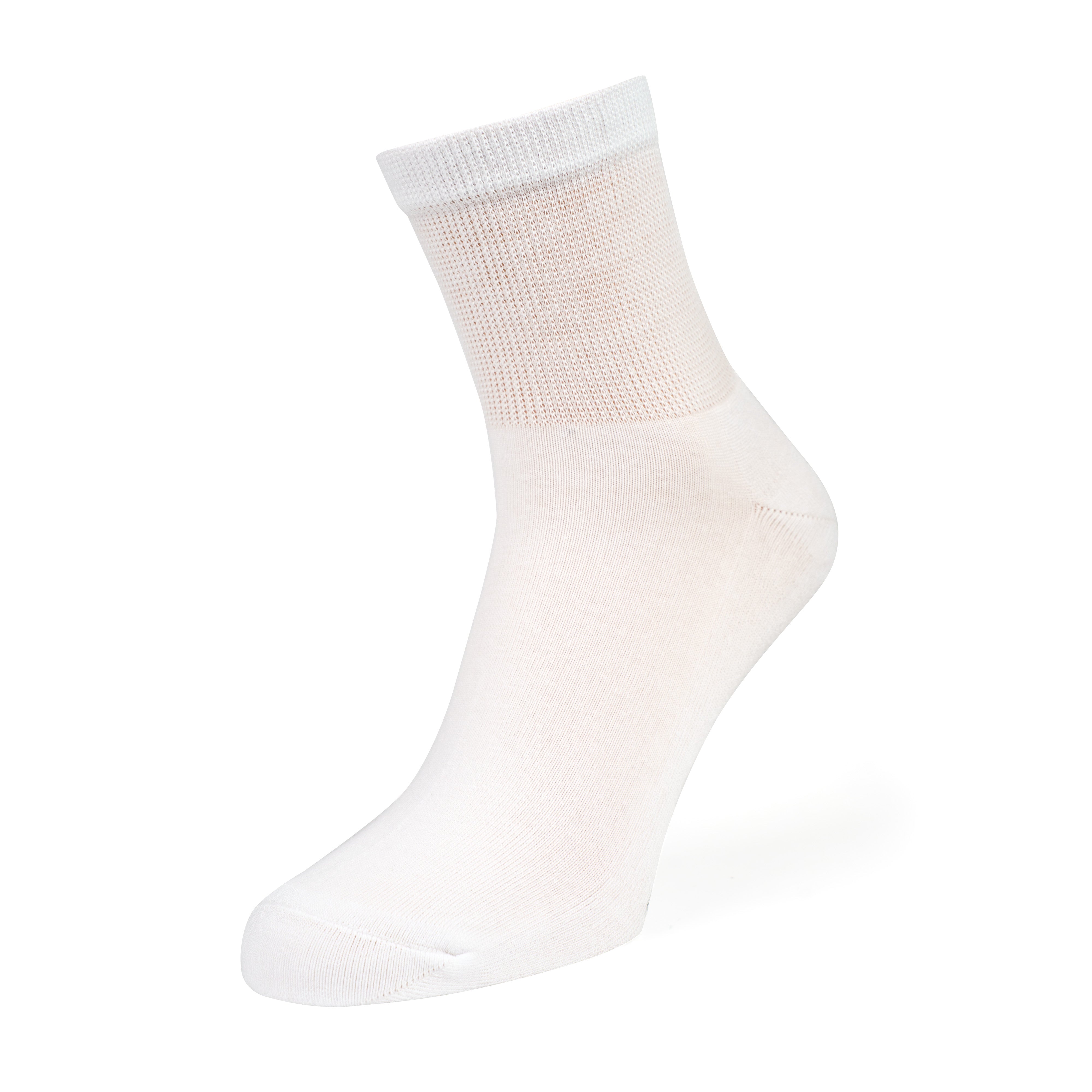
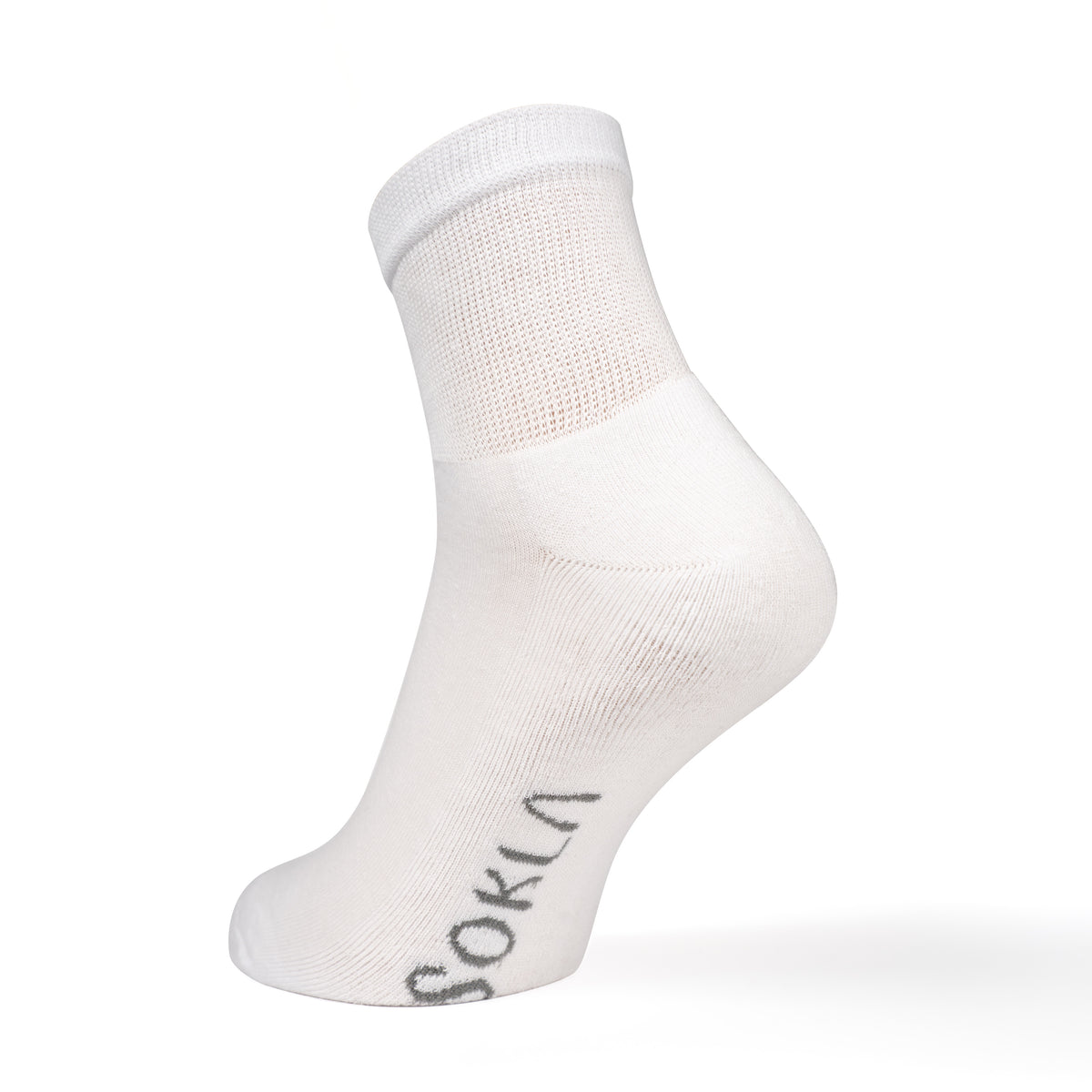
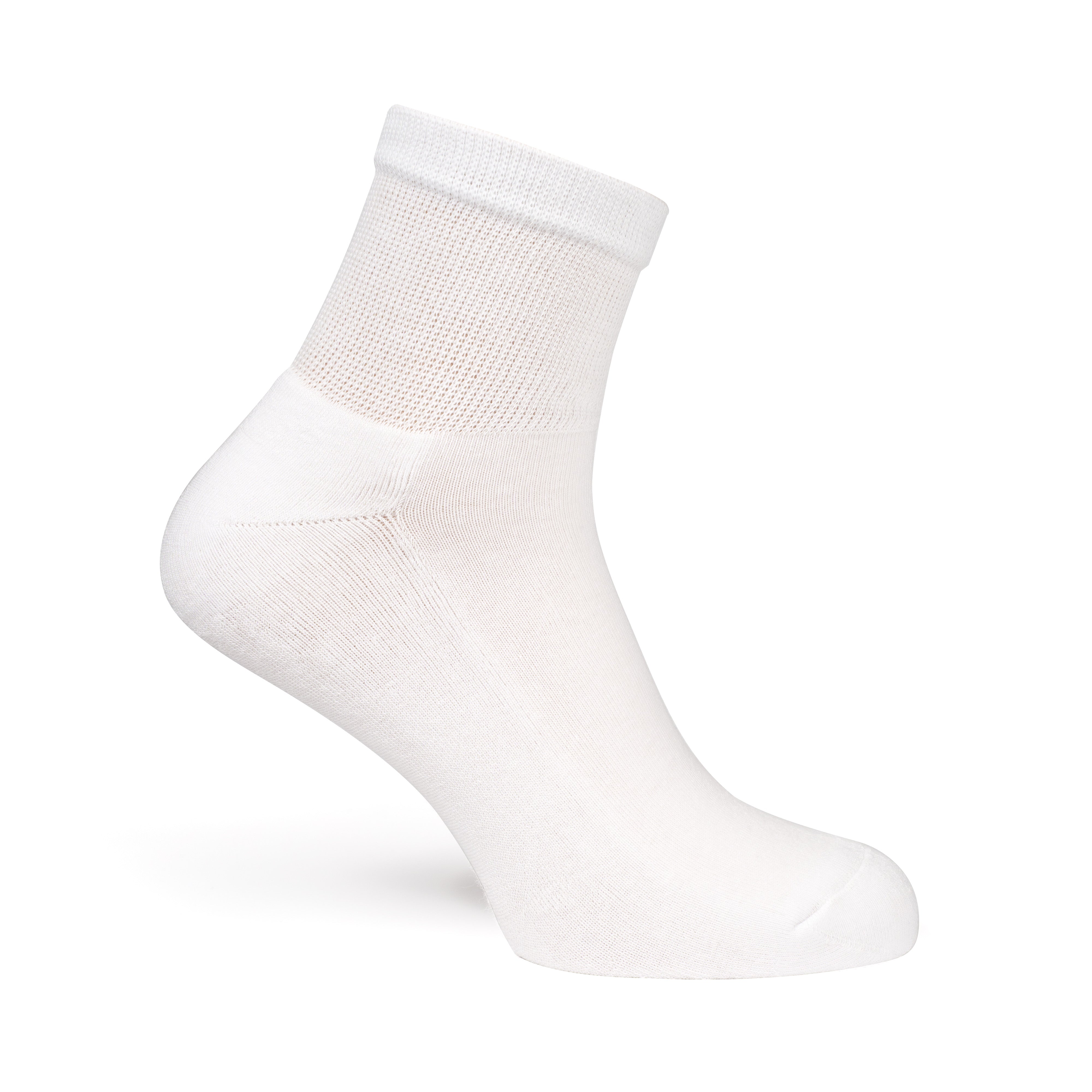
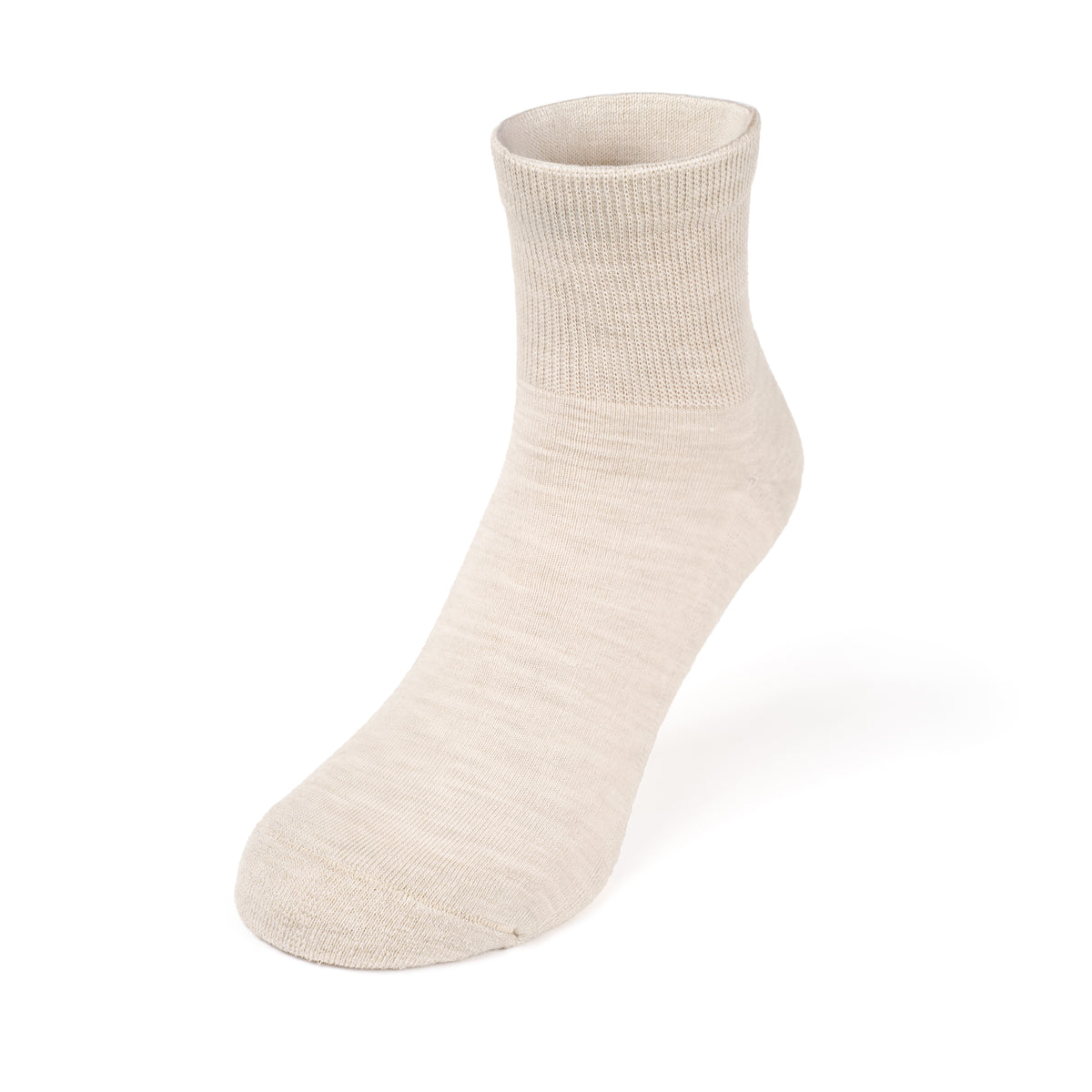
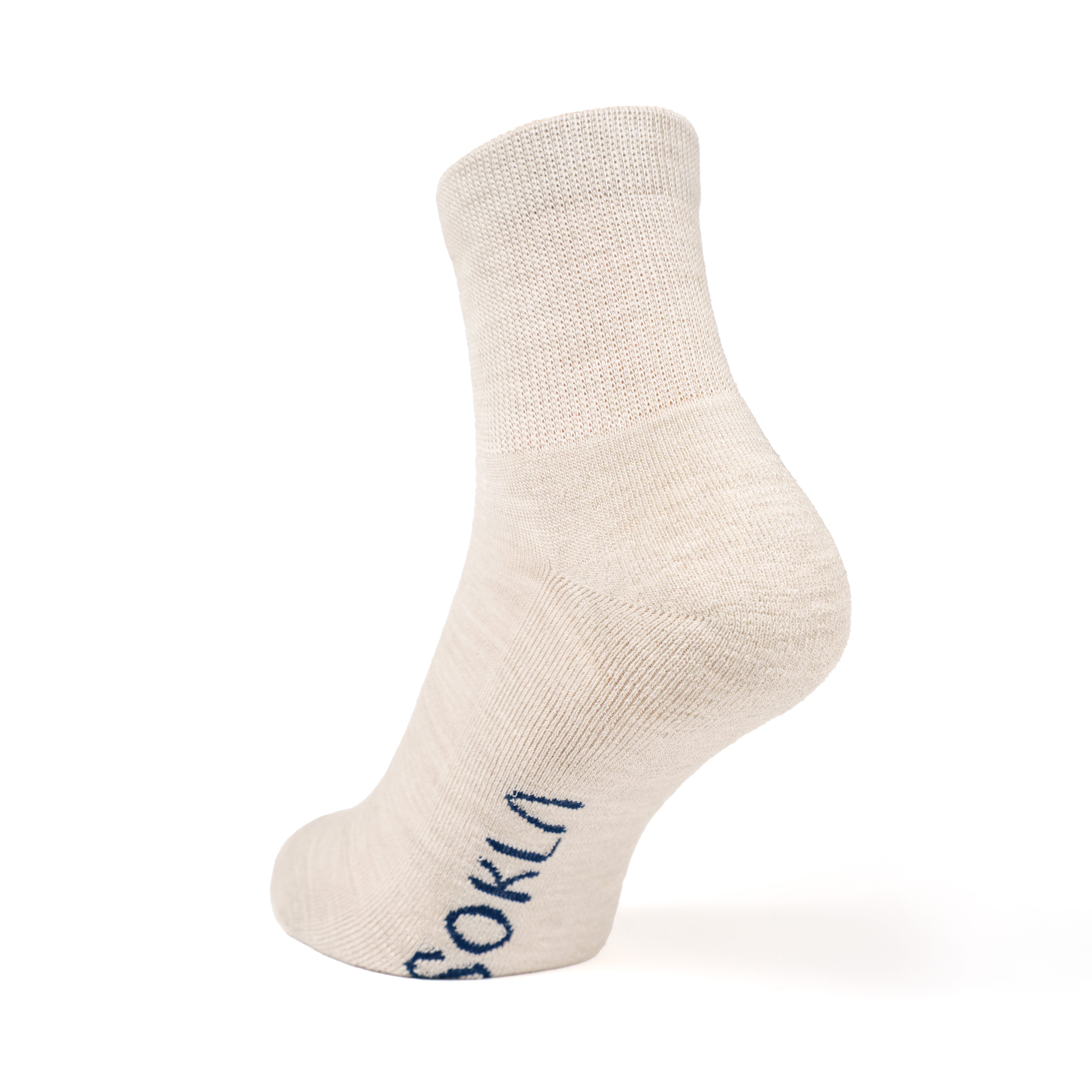
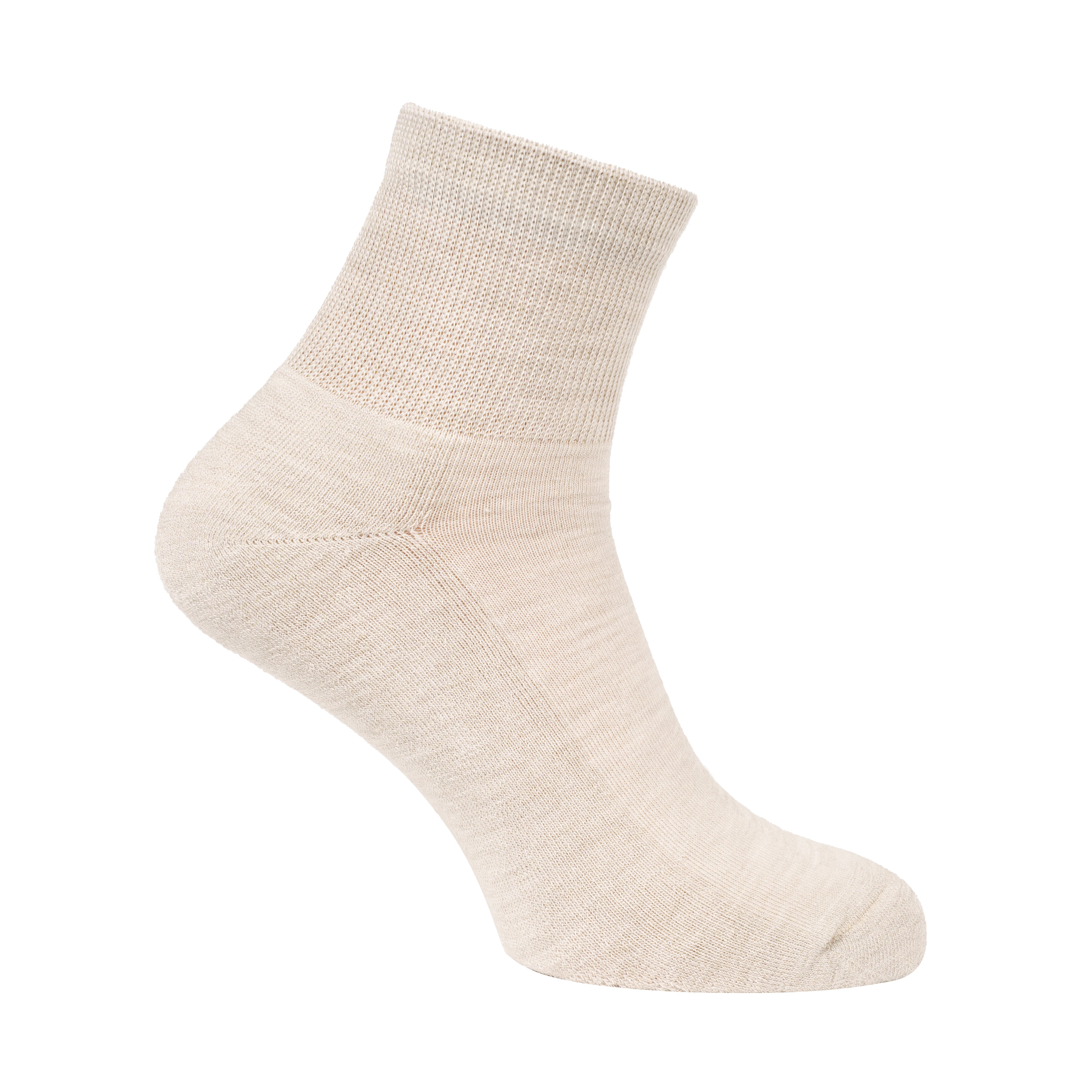
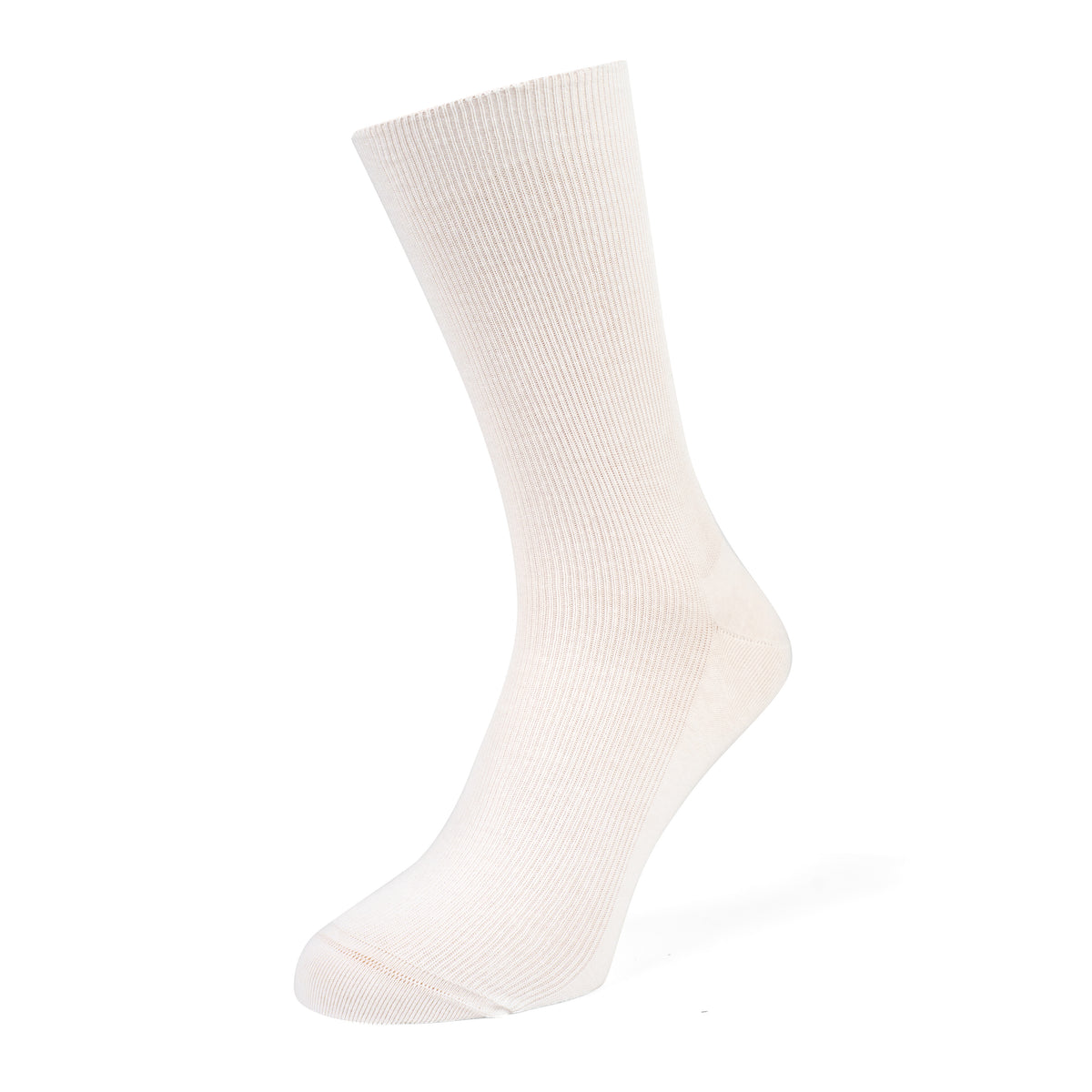
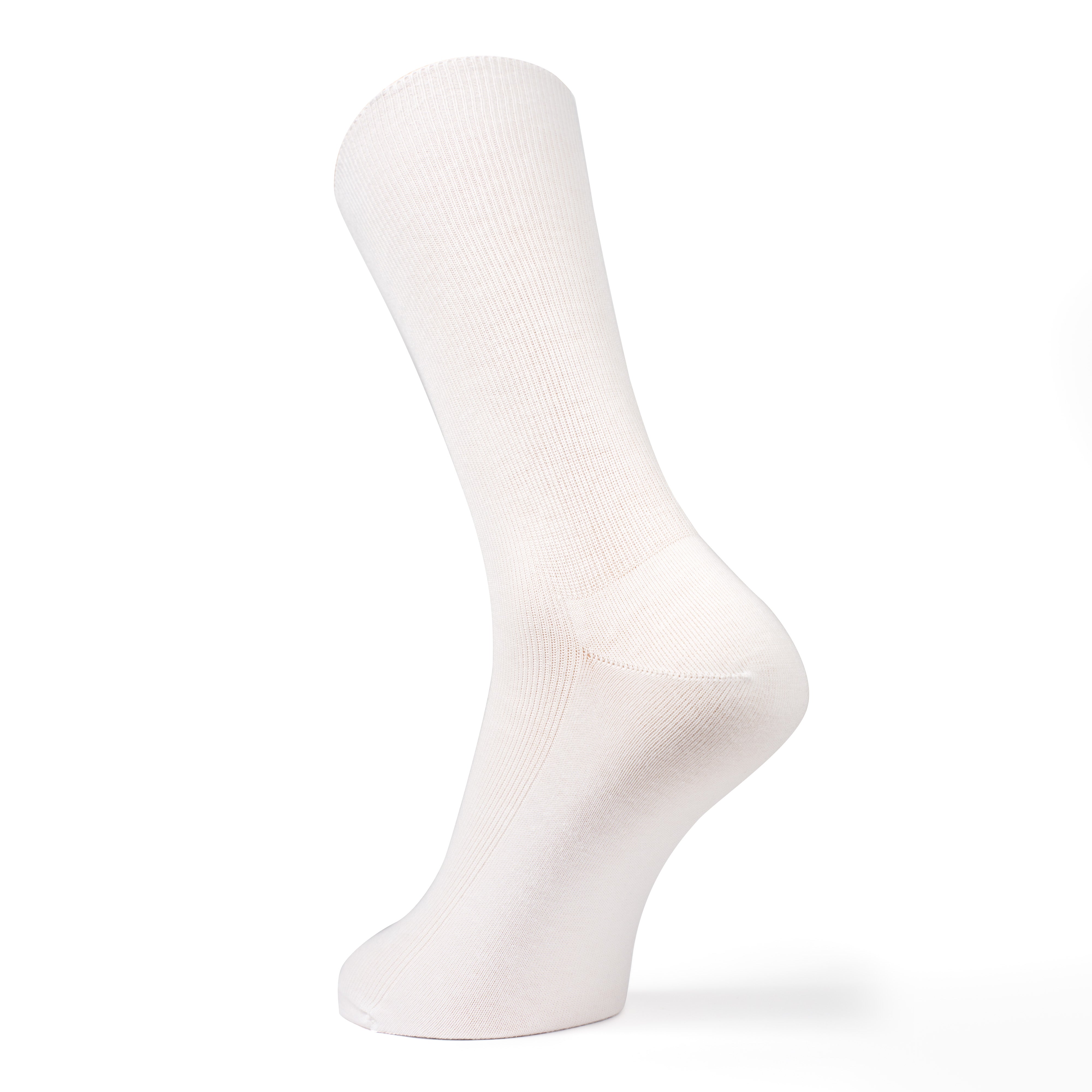
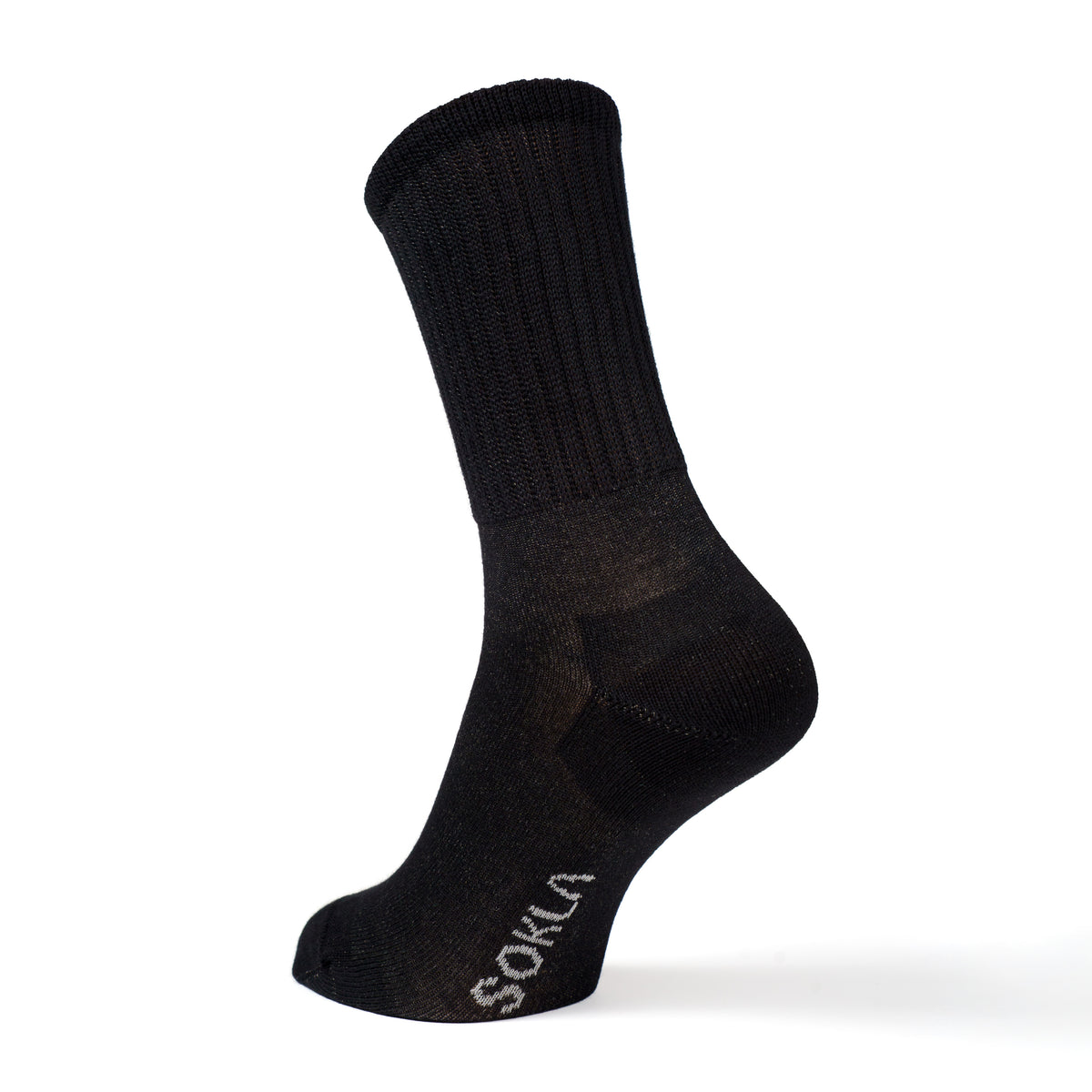
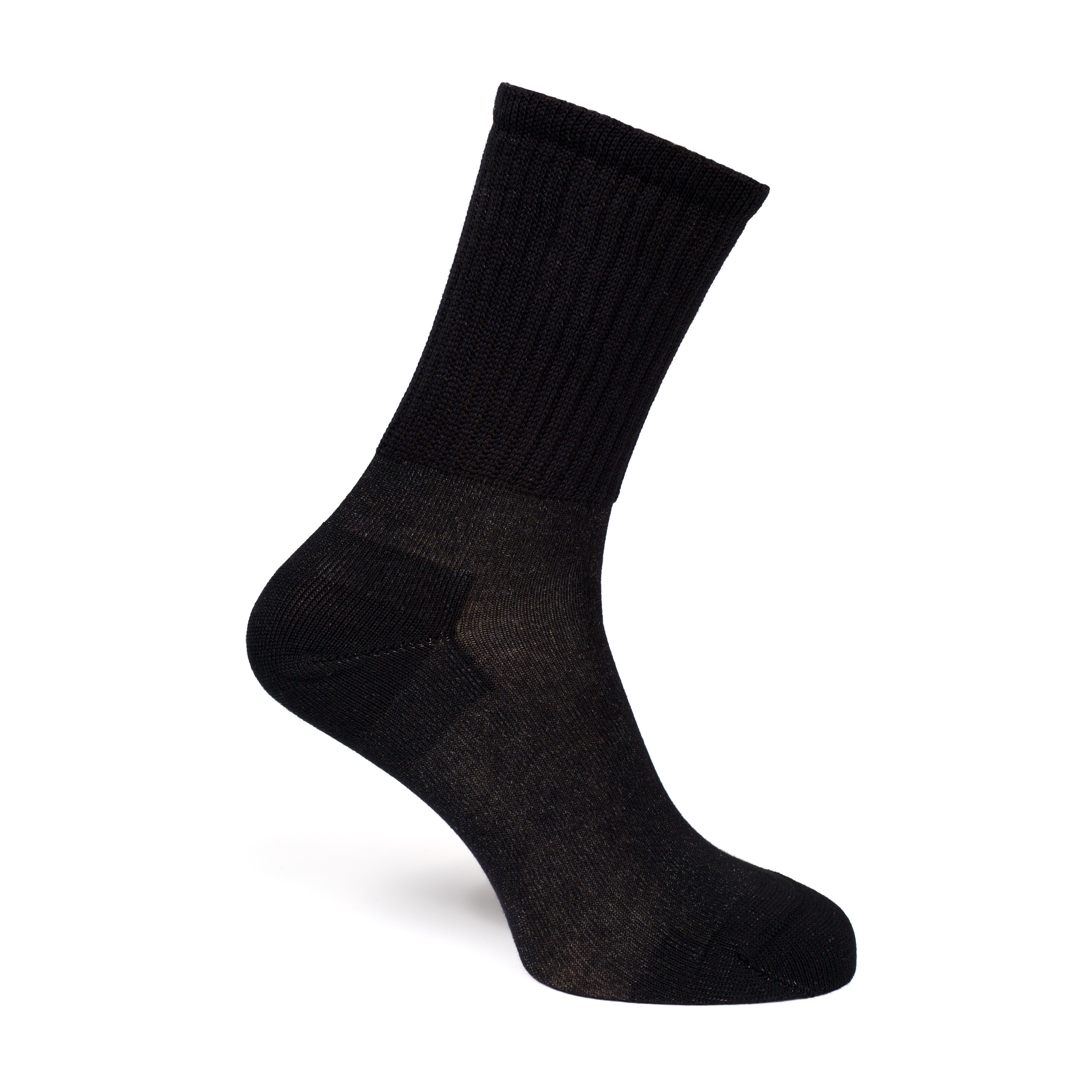
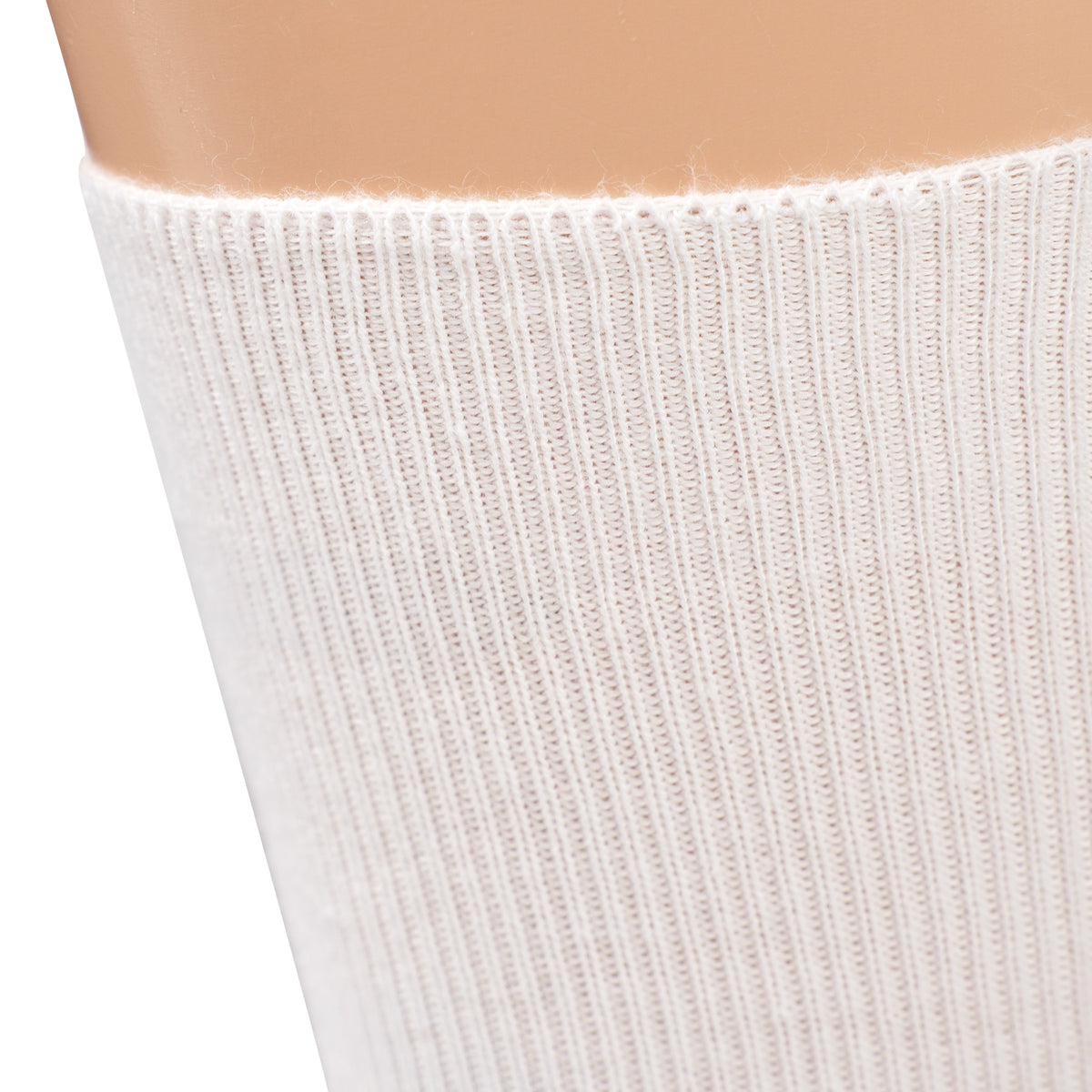
This is where a lot of people get confused — diabetic socks and compression socks are not the same thing, even though they're sometimes sold in the same aisle. Diabetic socks are specifically engineered to protect sensitive feet without restricting blood flow. Instead of squeezing the leg the way compression socks do, quality diabetic socks feature:
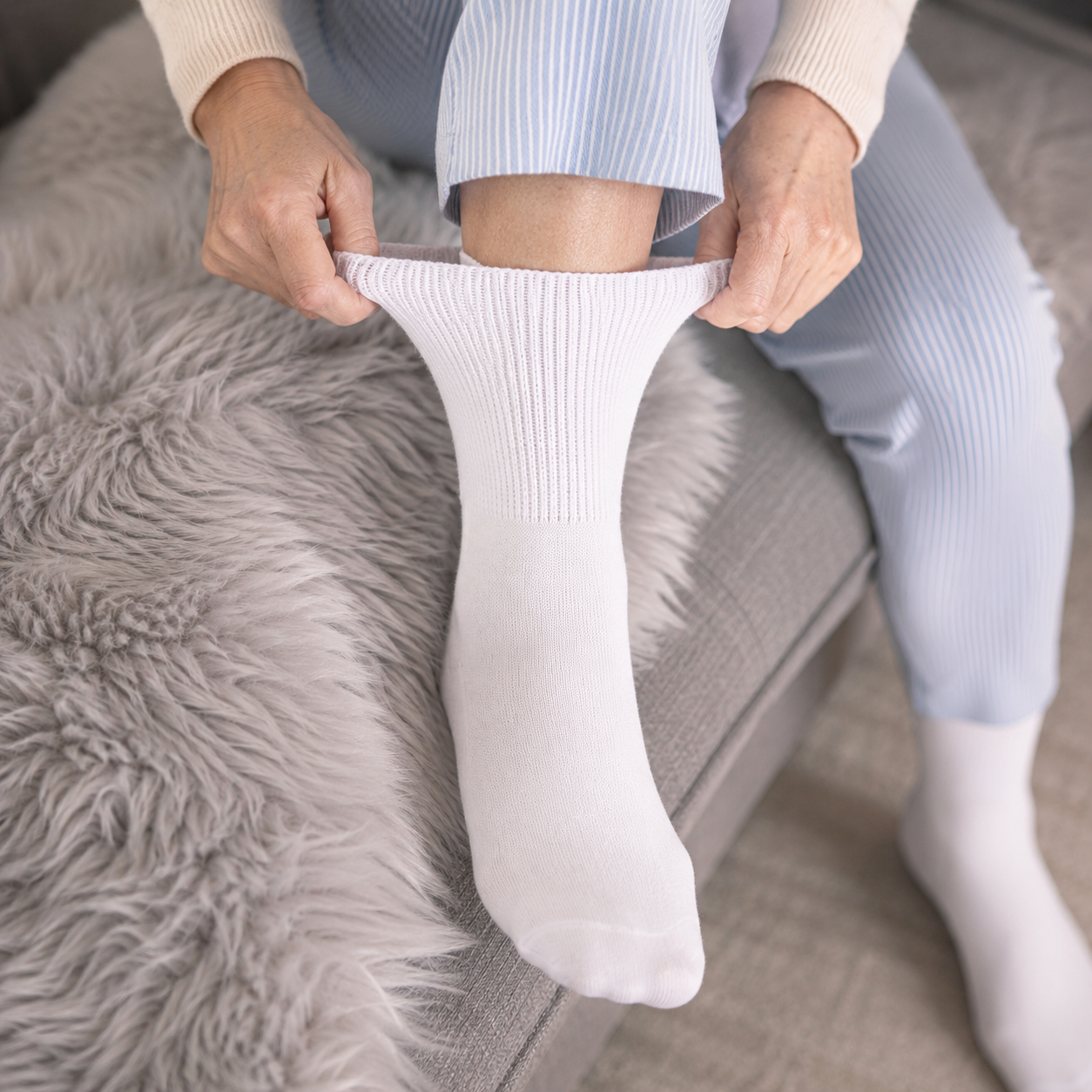
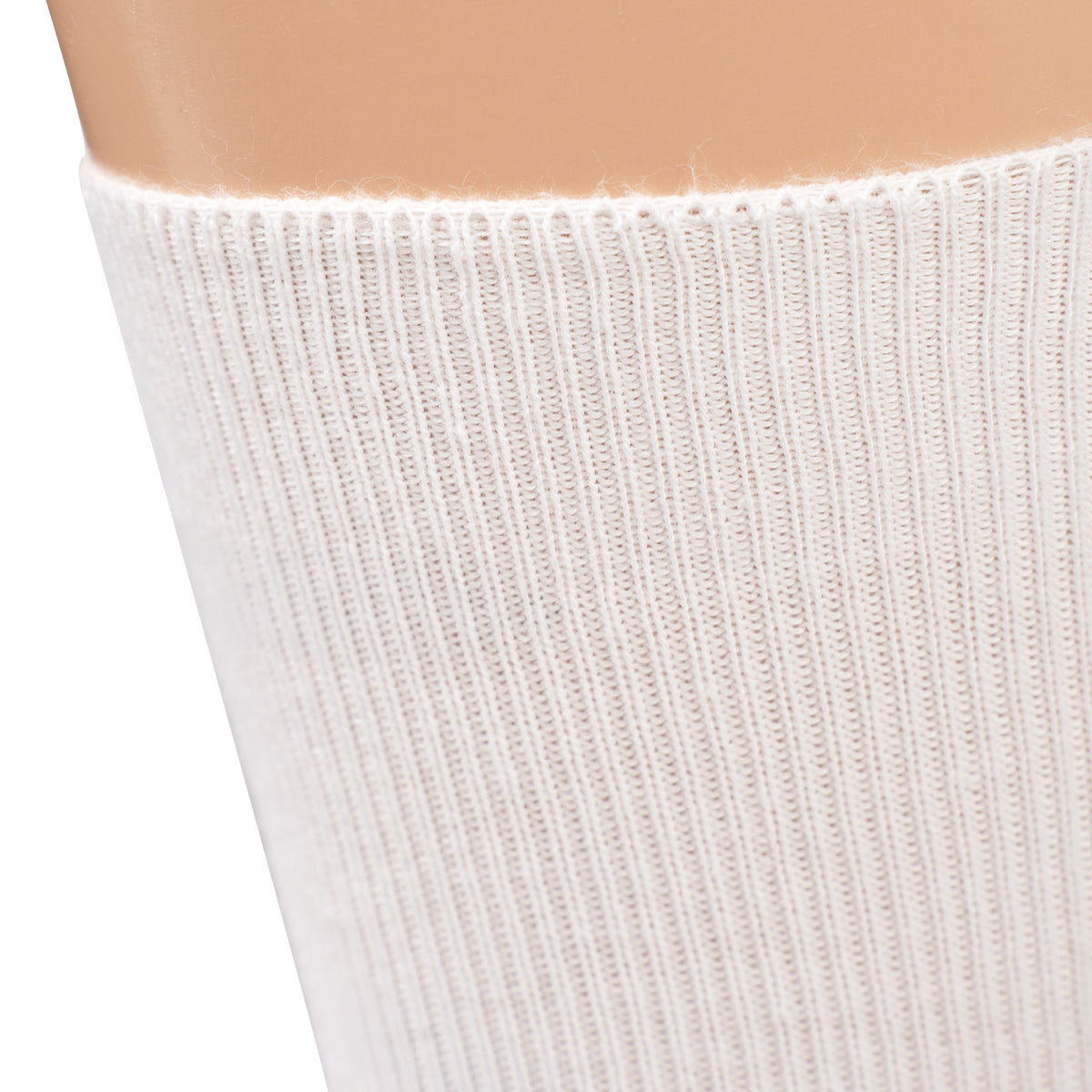
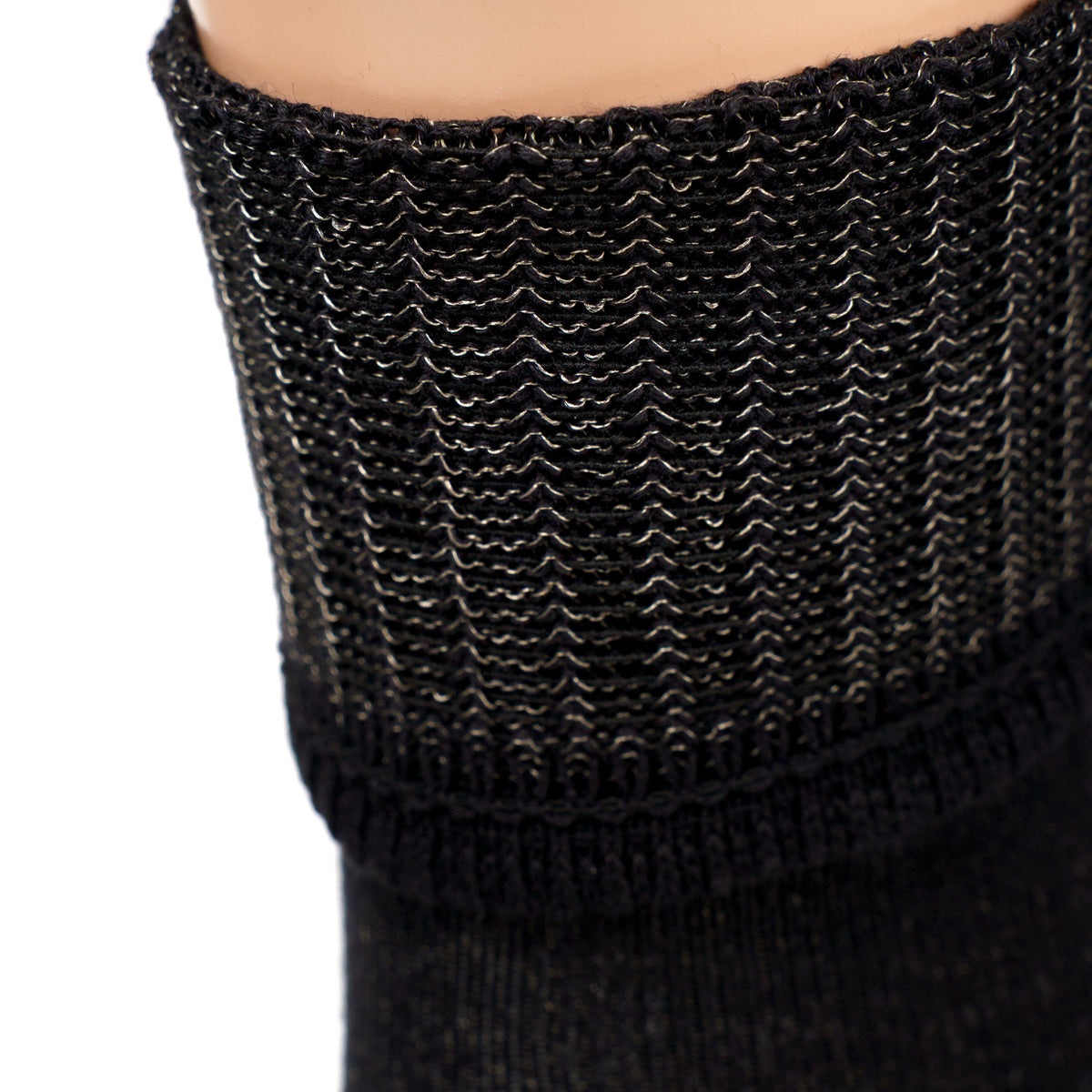
- A non-binding, non-elastic cuff so nothing digs into the leg or ankle
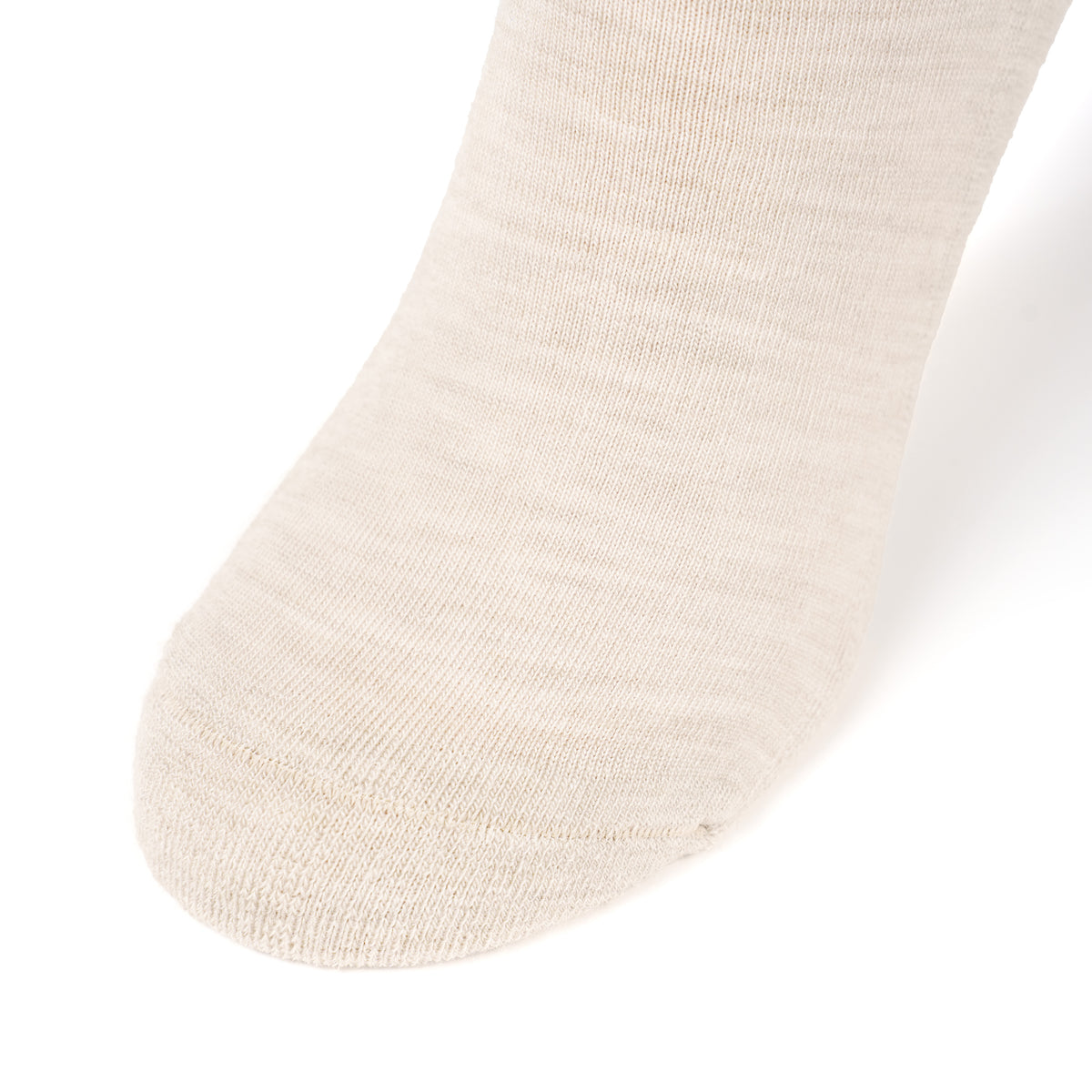
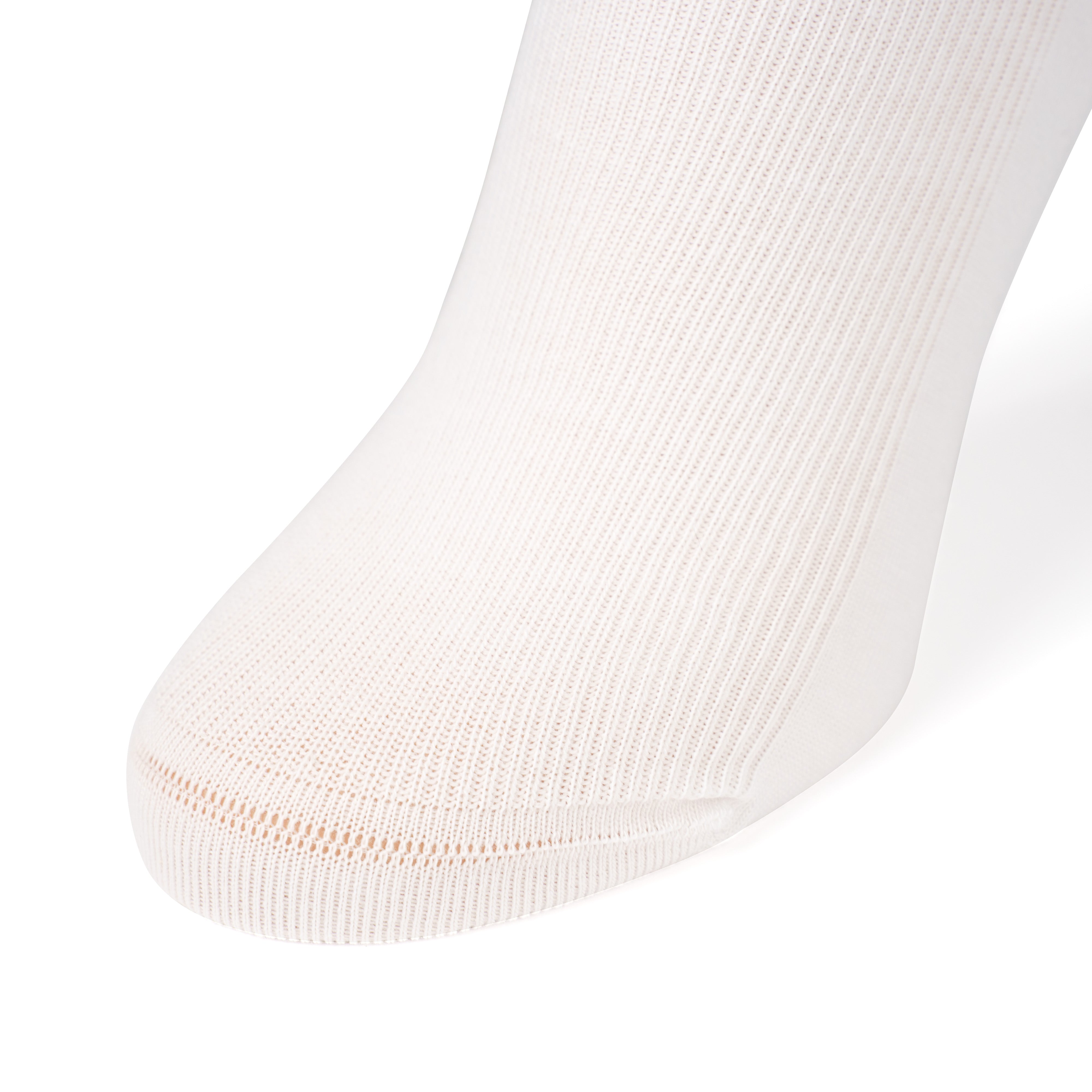
- Seamless toe construction to prevent rubbing and blistering
- Moisture-wicking fibers to keep feet dry and reduce fungal or bacterial risk
- Extra cushioning in the sole to protect against pressure points
For most diabetics — especially those with any degree of neuropathy or circulation concern — this is the safer, doctor-approved path forward instead of standard compression wear.
How to Choose the Right Socks for Diabetic Feet

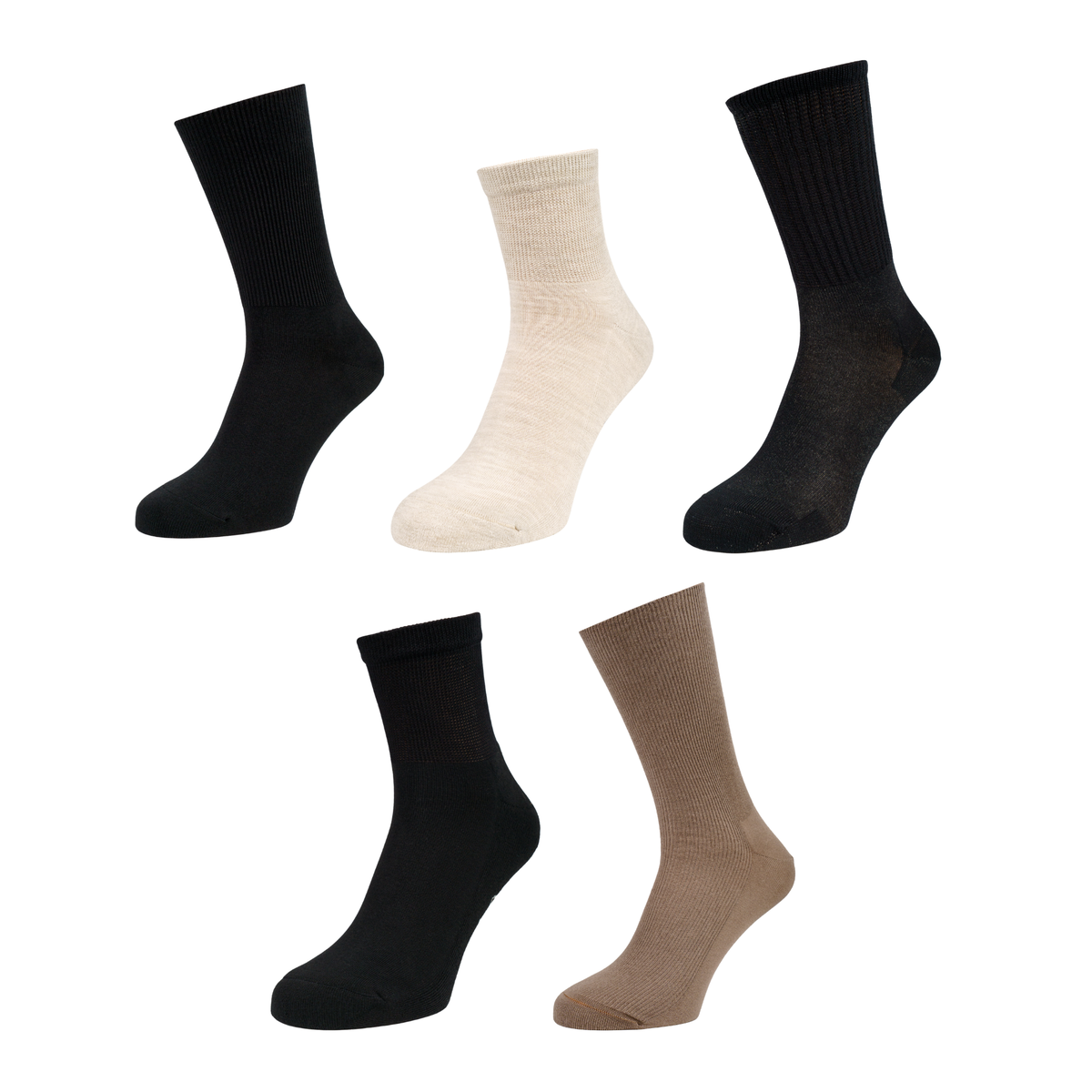
If you've been told to steer clear of compression, or you simply want to be cautious, the good news is that diabetic-specific socks come in a range of materials and features to match different needs. At Sokla, our entire Diabetic Foot Care collection was built around this exact problem — giving you comfortable, protective options that don't put your circulation at risk.
Here's how to think about which type fits your lifestyle:
If You Want Everyday, All-Purpose Comfort
The classic cotton diabetic socks are a reliable daily choice — breathable, soft, and gentle on sensitive skin, with the non-binding top that diabetic feet need for safe, healthy circulation.
If You Deal With Cold Feet or Live in a Colder Climate
Poor circulation often means cold feet, even indoors. The merino wool diabetic socks combine natural temperature regulation with the same protective, non-restrictive design, keeping feet warm without adding any unwanted pressure.
If You're Prone to Infections or Odor
Diabetics are more susceptible to fungal and bacterial infections on the feet. The silver antibacterial diabetic socks use silver fiber technology to help fight bacteria and odor, adding an extra layer of protection for at-risk feet.
If You Want to Try a Variety Without Committing to One Style
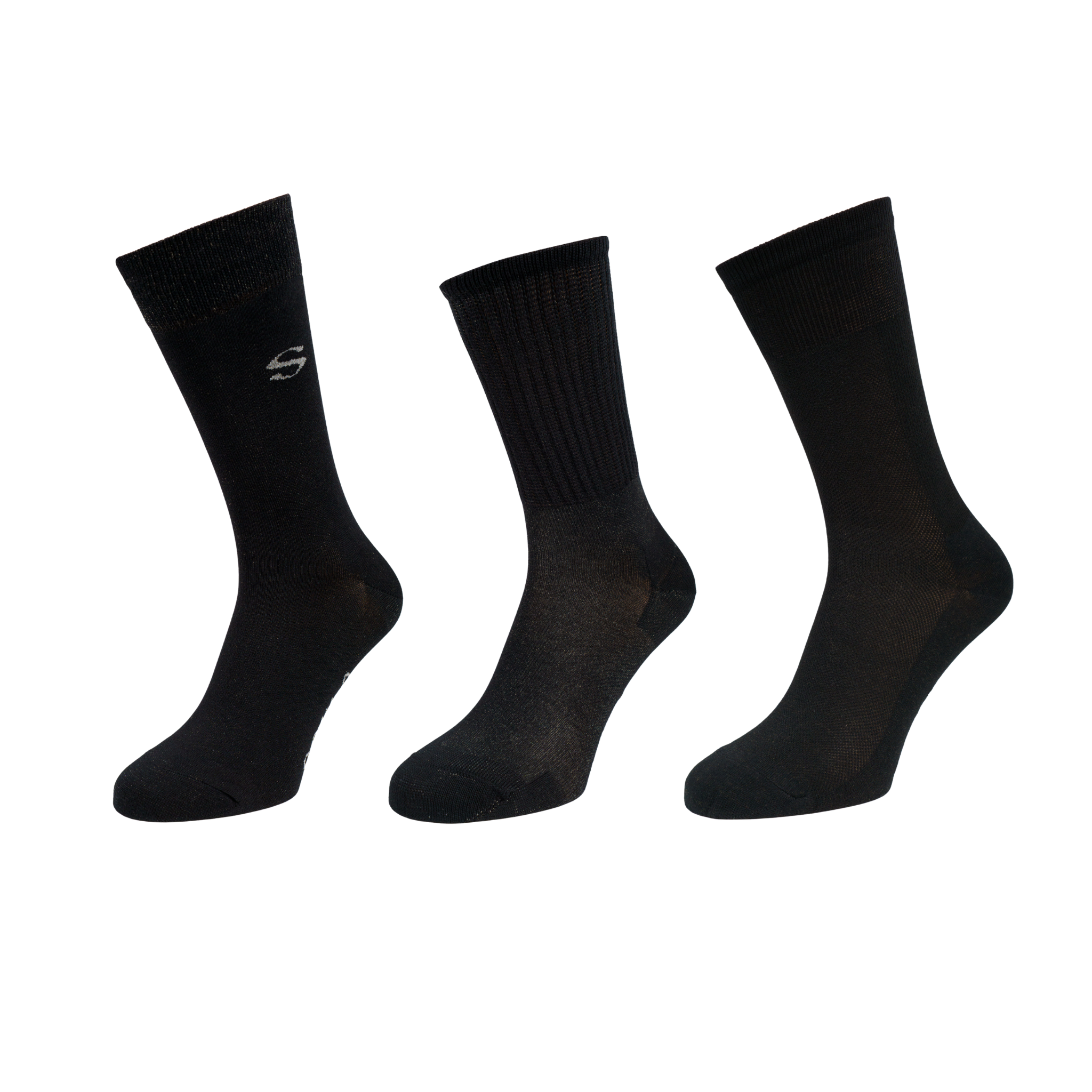
Not sure which material or style will suit you best? The complete diabetic socks bundle is a smart way to sample different options — cotton, wool, and antibacterial styles — all in one pack, ideal for anyone with sensitive feet who wants to figure out what works before settling on a favorite.
Quick Safety Checklist Before Wearing Any Compression or Diabetic Sock
- Get your circulation and nerve function checked by your doctor regularly
- Never wear tight, elastic-topped socks if you have any numbness in your feet
- Inspect your feet daily for redness, blisters, or sores
- Choose seamless, non-binding, moisture-wicking socks as your everyday default
- Ask your doctor before introducing any compression garment, even mild ones
The Bottom Line
Compression socks aren't automatically off-limits for diabetics, but they're also not a safe default choice without medical guidance. If you have any circulation issues, nerve damage, or open wounds, standard diabetic socks — with their soft, non-restrictive design — are almost always the safer and more comfortable option. Explore the full range in our diabetic foot care collection and give your feet the protection they actually need.
This article is for informational purposes only and does not replace professional medical advice. Always consult your doctor or podiatrist about the best sock and compression options for your individual health condition.